
Anúncios
The fall from grace of a beloved icon shakes our collective faith, forcing us to confront uncomfortable truths about heroism, celebrity, and the fragile pedestals we build.
🎭 The Architecture of Adoration
We live in an era obsessed with heroes. From sports legends to entertainment moguls, from tech visionaries to humanitarian activists, society continuously constructs towering figures whose accomplishments seem to transcend ordinary human limitation. These icons become more than individuals—they transform into symbols, representing our aspirations, values, and dreams of what humanity can achieve.
Anúncios
The process of hero-making operates through a complex ecosystem of media narratives, public relations machinery, and our own psychological need for inspiration. We celebrate their victories, overlook their flaws, and weave narratives that elevate them beyond the realm of typical human experience. This elevation serves multiple purposes: it provides role models for younger generations, creates shared cultural touchstones, and offers hope that extraordinary achievement remains possible.
Yet this same architecture that builds icons also contains the seeds of their potential destruction. The higher we elevate someone, the more devastating their fall becomes when the inevitable cracks appear in their carefully crafted image.
Anúncios
⚡ The Warning Signs We Choose to Ignore
Before every major fall, warning signs typically emerge—whispers in industry circles, allegations dismissed as jealousy or conspiracy, behavioral patterns that suggest something darker lurking beneath the polished surface. The phenomenon of willful blindness plays a crucial role in allowing these warning signs to accumulate without consequence.
Fans and supporters often engage in what psychologists call “cognitive dissonance reduction,” where contradictory information about a beloved figure gets rationalized, minimized, or outright rejected. When someone has invested emotional energy, time, and perhaps money into supporting an icon, acknowledging their wrongdoing becomes psychologically painful.
The media ecosystem frequently participates in this collective denial. Positive stories about celebrities generate clicks and engagement, while critical coverage risks alienating audiences and losing access to the star’s inner circle. This creates perverse incentives where journalists and outlets become complicit in maintaining the illusion, even as evidence of misconduct accumulates.
The Enabler Network
Surrounding every untouchable icon exists a network of enablers—managers, publicists, lawyers, assistants, and hangers-on whose livelihoods depend on maintaining the star’s status and protecting their secrets. This ecosystem actively works to suppress negative information, silence accusers, and maintain the carefully constructed public image.
These enablers often convince themselves they’re protecting someone who does tremendous good in the world, that the ends justify the means, or that everyone at that level of fame operates with different rules. This rationalization allows serious misconduct to continue unchecked for years or even decades.
💥 The Catalyst: When Silence Breaks
The unraveling rarely happens gradually. Instead, there’s typically a catalytic moment—a courageous whistleblower, an investigative journalism piece that cannot be ignored, or a critical mass of accusers who find strength in numbers. The #MeToo movement demonstrated how quickly the untouchable can become accountable once the dam of silence breaks.
Social media has fundamentally altered the dynamics of these revelations. Information that once could be contained through legal threats, financial settlements, or media manipulation now spreads virally, beyond the control of even the most sophisticated damage control operations. A single tweet, video, or accusation can ignite a firestorm that consumes years of carefully maintained reputation within hours.
The modern news cycle amplifies these moments exponentially. What might have been a contained scandal in previous decades now becomes global news, analyzed and dissected across countless platforms, podcasts, and think pieces. The accused icon finds themselves suddenly facing a level of scrutiny they’ve never experienced, with every past action and statement reexamined through a new, critical lens.
🔍 The Investigative Avalanche
Once the initial revelation breaks through, investigative journalists smell blood in the water. News outlets that previously avoided critical coverage now race to uncover additional wrongdoing, knowing that public appetite for information about the fallen icon is insatiable. Sources who once feared retribution now feel empowered to come forward, creating a cascade effect.
This investigative avalanche often reveals that the initial transgression was merely the tip of the iceberg. Pattern and practice emerge, showing that what appeared to be an isolated incident was actually systemic behavior spanning years or decades. The scope of betrayal becomes clear, not just of public trust but of specific individuals who suffered while the icon’s reputation remained intact.
Legal proceedings frequently follow, transforming private allegations into public court records. Depositions, evidence, and testimony that would have remained sealed under different circumstances become matters of public record, further eroding whatever remained of the icon’s carefully maintained image.
The Digital Permanent Record
Unlike previous eras, the digital age ensures that every aspect of someone’s fall gets documented and preserved indefinitely. Video clips, social media posts, court documents, and commentary remain searchable and accessible forever, creating a permanent record that makes rehabilitation significantly more challenging than in pre-internet times.
😢 The Psychology of Collective Disappointment
When a hero falls, their fans experience a form of grief. The person they admired, who inspired them or whose work brought joy to their lives, has been revealed as deeply flawed or even monstrous. This cognitive whiplash triggers complex emotional responses ranging from denial and anger to profound sadness and betrayal.
Some supporters refuse to accept the evidence, doubling down on their devotion and attacking accusers. This response, while seeming irrational to outsiders, represents a psychological self-defense mechanism. Acknowledging the truth would require them to question their own judgment, confront their complicity in elevating someone unworthy, and lose a source of meaning or inspiration in their lives.
Others experience a complete reversal, not only accepting the revelations but retroactively reinterpreting everything the icon ever did through a negative lens. Previous accomplishments get dismissed as manipulation, artistic works become tainted, and any positive contributions get overshadowed by the misconduct.
⚖️ The Justice Question: Accountability and Consequences
The unraveling of an untouchable icon raises fundamental questions about justice and accountability. What consequences are appropriate? Can redemption ever be possible? How do we balance acknowledging wrongdoing while respecting due process?
Public opinion often moves faster than legal systems, with social media functioning as an impromptu court where guilt gets determined by popular consensus rather than evidentiary standards. This “trial by public opinion” creates its own problems, potentially rushing to judgment or applying inconsistent standards based on the particular demographics and sympathies of online communities.
The legal system, when it does engage, faces its own challenges. Wealth and connections often allow fallen icons to secure better representation and more favorable outcomes than ordinary defendants would receive for similar conduct. This disparity reinforces cynicism about whether true accountability is possible for the powerful.
Professional and Financial Consequences
Beyond legal penalties, fallen icons typically face severe professional consequences. Endorsement deals evaporate, projects get canceled, and industry doors that were always open suddenly close. The financial impact can be staggering, with some fallen celebrities losing hundreds of millions in potential earnings.
However, these consequences apply unevenly. Some disgraced figures find themselves completely ostracized, unable to work in their field again. Others experience a brief exile before attempting comebacks, with varying degrees of success. The factors determining these different outcomes often seem arbitrary, based more on public relations savvy and the particular nature of the misconduct than any consistent ethical framework.
🎨 Separating Art from Artist: An Impossible Dilemma
When the fallen icon is an artist, musician, actor, or creator, audiences face a challenging question: can we continue enjoying their work? Does consuming their art mean condoning their behavior? How do we reconcile our legitimate appreciation for creative achievement with moral revulsion at the creator’s actions?
This dilemma has no easy answers. Some argue that art exists independently of its creator, that brilliant work retains its value regardless of who made it. Others contend that consuming such work provides continued platform and legitimacy to people who deserve neither, and that art inevitably reflects its creator’s worldview, making it impossible to fully separate the two.
Institutions face related challenges regarding works in their collections, awards previously granted, and how to contextualize contributions by problematic figures. Museums, halls of fame, and academic institutions struggle with whether to remove, retain with explanation, or continue celebrating the work of fallen icons.
📱 The Role of Social Media in Modern Iconoclasm
Social media platforms have fundamentally transformed how hero-worship and subsequent falls occur. These platforms accelerate both the elevation and destruction of public figures, creating celebrities more quickly than ever before while also enabling their more rapid downfall.
The same tools that allow unknown individuals to build massive followings also empower accusers to share their stories without requiring traditional media gatekeepers. Hashtags become organizing principles for collective action, and viral moments can shift public opinion with unprecedented speed.
However, social media’s role in these dynamics is not purely positive. The same platforms that enable accountability also facilitate mob justice, harassment campaigns against accusers, and the spread of misinformation. The conversation around fallen icons on social media often generates more heat than light, with nuance and due process sacrificed for engagement-driving outrage.
🌟 The Path Forward: Rebuilding Trust in Heroism
Each time a major icon falls, we collectively question whether anyone deserves the level of adoration we bestow on celebrities. Perhaps the lesson is not that heroes don’t exist, but that we need to fundamentally reconsider how we construct and relate to them.
A healthier approach might involve celebrating specific achievements rather than entire individuals, acknowledging human complexity and fallibility even in those who accomplish extraordinary things. We might benefit from distributing our admiration more broadly rather than concentrating it intensely on a few individuals, reducing the distance between celebrated figures and ordinary people.
Organizations and industries must implement better accountability structures that don’t wait for public scandal to address misconduct. This includes stronger reporting mechanisms, truly independent investigations, and consequences applied consistently based on behavior rather than star power or revenue generation.
Education and Media Literacy
Teaching critical thinking about celebrity, media narratives, and hero-worship from an early age could help future generations maintain healthier relationships with public figures. Understanding how images get crafted, the economic interests behind celebrity promotion, and the psychology of fandom might inoculate people against the most extreme forms of idol worship.
Media organizations bear responsibility for more balanced coverage that neither mindlessly promotes celebrities nor rushes to destroy them. Ethical journalism requires investigating misconduct allegations seriously while respecting due process and avoiding sensationalism that prioritizes engagement over truth.
💭 The Lasting Impact: What Remains After the Fall
Years after a major icon’s unraveling, we can begin to assess the lasting impact. Some falls prove so complete that the person becomes primarily remembered for their disgrace rather than their achievements. Others fade from public consciousness entirely, their moment of reckoning becoming a footnote in cultural history.
The victims and survivors of an icon’s misconduct continue living with the consequences long after media attention fades. Their journey toward healing doesn’t follow the news cycle, and true justice for them often remains elusive even when their abuser faces some consequences.
Society itself changes through these collective reckonings. Each major fall contributes to evolving standards around acceptable behavior, accountability, and the limits of fame as a shield against consequences. The accumulation of these moments gradually shifts culture, making certain behaviors that were once tolerated increasingly unacceptable.
🔮 Preventing the Next Fall: Systemic Changes Needed
Rather than simply reacting to each scandal as it erupts, we need systemic changes that prevent the conditions enabling misconduct by powerful figures. This includes reforming power structures that concentrate too much authority in single individuals, strengthening whistleblower protections, and creating accountability mechanisms that function before behavior reaches criminal levels.
Industries must move beyond relying on individual stars as the foundation of business models, distributing power and credit more broadly. When a single person becomes too important to fail from a business perspective, covering up their misconduct becomes economically rational for everyone whose livelihood depends on them, creating the perfect conditions for abuse.
Legal systems need reform to address how wealth influences outcomes. When the powerful can afford teams of lawyers, investigators, and public relations professionals to fight accountability, justice becomes a commodity available only to those who can pay, undermining the entire concept of equal treatment under law.
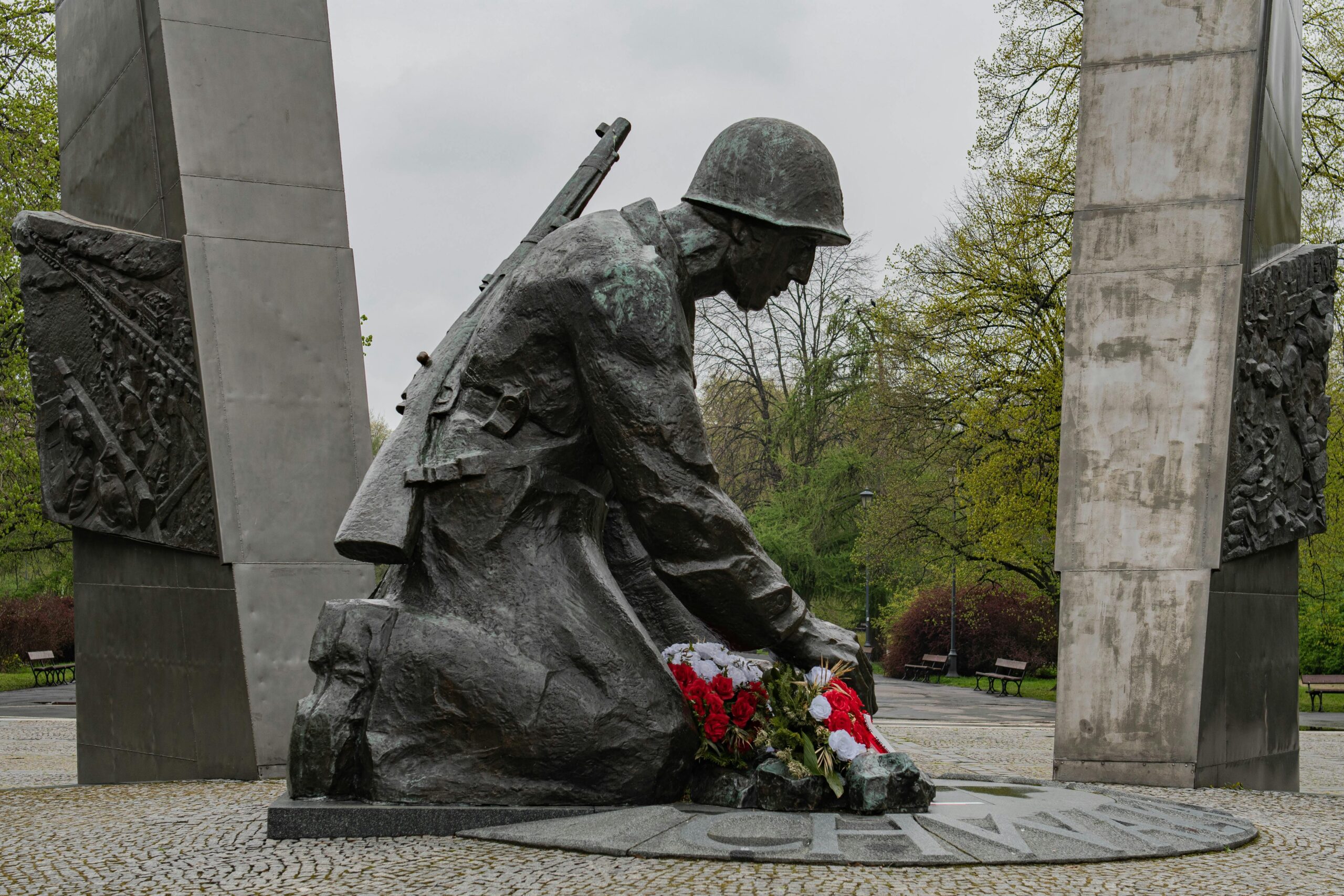
🕊️ The Human Behind the Icon: Remembering Complexity
Ultimately, the phenomenon of fallen icons reminds us that fame and achievement don’t eliminate the fundamental complexity and fallibility of human nature. The person capable of creating transcendent art, achieving athletic greatness, or building transformative companies remains capable of cruelty, abuse, or corruption.
This reality doesn’t mean abandoning appreciation for genuine achievement or refusing to celebrate excellence. Rather, it suggests maintaining perspective about the difference between admiring specific accomplishments and granting someone moral authority or immunity from scrutiny based on their talent or success in a particular domain.
The unraveling of once-untouchable icons, painful as these moments are, serves an important cultural function. These reckonings remind us that no one exists beyond accountability, that power must be checked, and that our heroes should inspire us without becoming objects of uncritical worship. Only by accepting this can we build a healthier relationship with achievement, celebrity, and the inevitable imperfections of human excellence.
Moving forward requires both individual and collective responsibility—maintaining appropriate skepticism without descending into cynicism, celebrating genuine achievement while acknowledging human complexity, and building systems that prevent the concentration of unchecked power that enables misconduct. The heroes we deserve are those who inspire through their accomplishments while remaining accountable for their actions, neither elevated beyond human standards nor immune to consequences when they fail to meet them.
